Introduction
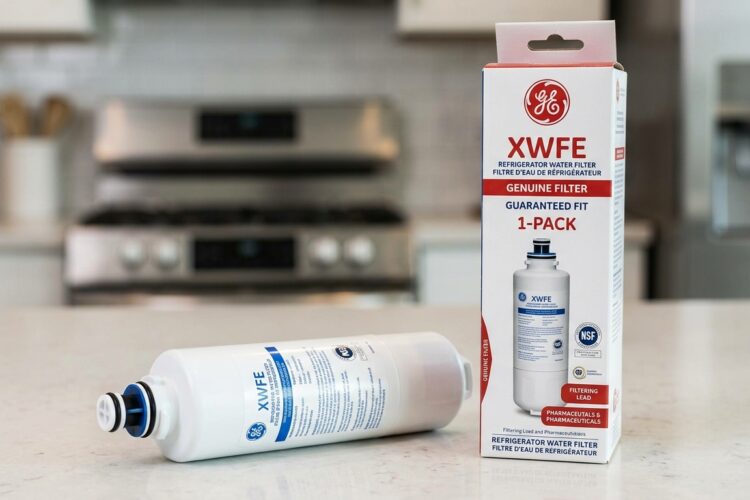
Most people only think about the water filter in their refrigerator when a small light on the door turns orange, or when the water coming out of the dispenser starts tasting a little flat. It’s one of those household parts that works quietly in the background until someone notices it’s overdue. The GE XWFE Refrigerator Water Filter is a replacement cartridge designed for a specific group of GE refrigerators, sold as a single filter and marketed as a genuine GE part with a guaranteed fit.
This guide goes through what the XWFE is designed to do, how filters like it generally work, who tends to buy one, and what is worth checking before ordering a replacement. To be clear about the approach, this is an informational article and not a review. No personal use of the product is being claimed, and the descriptions below rely on the general characteristics of refrigerator water filters and the details publicly listed for this model. Because compatibility is the most important factor with any fridge filter, the product page and your refrigerator’s manual should always be the final word.
A refrigerator filter is a small purchase compared with the appliance it sits inside, but it touches something people use constantly: drinking water, ice, and sometimes the water used for cooking and coffee. Understanding what the cartridge does, and just as importantly what it doesn’t do, makes it easier to decide how often to replace it and whether the genuine part is worth choosing over alternatives.
Key Features
Genuine GE Part
The listing describes this as a genuine filter, meaning it’s made or authorized by the same company that produced the refrigerator it’s intended for. The practical appeal of a genuine part is straightforward. The cartridge is built to the dimensions and connection style the appliance expects, and it’s the filter the manufacturer’s own documentation refers to when it tells owners what to install.
Guaranteed Fit Claim
The “guaranteed fit” language in the title is a marketplace feature rather than a physical property of the filter. It generally means the seller stands behind compatibility when the buyer enters their refrigerator model number into the retailer’s fit-checking tool. That’s helpful, but it only works as intended if the model number entered is accurate, so it’s worth taking a minute to find the label inside the refrigerator and confirm it.
Designed for Water and Ice Systems
Filters of this type are installed in the water line that feeds the dispenser and, in many refrigerators, the automatic ice maker. That means a single cartridge can influence the water from the door as well as the ice that drops into the bin, which is part of why replacement timing matters for more than just the glass of water you pour.
Activated Carbon Filtration
Most refrigerator filters rely on activated carbon, a porous material with a large surface area that attracts and holds certain substances as water passes through. This is the same basic principle used in many pitcher and faucet filters. In general, carbon filtration is associated with reducing chlorine taste and odor and certain other substances, though the specific reductions depend on the particular cartridge and what’s in the incoming water.
Certification Information
Replacement filters in this category are commonly tested against NSF/ANSI standards, which are voluntary third-party standards describing what a filter can reduce under test conditions. The exact certifications and the list of substances tested for are printed on the packaging and the manufacturer’s performance data sheet, and that documentation is a better source than any summary here. If a particular concern matters to you, such as a specific contaminant, checking that sheet is the reliable way to see whether this cartridge was tested for it.
Straightforward Installation
Fridge filters of this generation are designed so a homeowner can swap them without tools or shutting off the water supply in most cases. The cartridge typically twists or locks into a housing, either in the refrigerator’s interior or in the grille area, and the old one comes out the same way. The exact motion varies by refrigerator, so the manual for your model is the right guide.
Single-Pack Format
The listing is for one filter. That’s the simplest option for someone replacing a cartridge once, though households that change filters on schedule sometimes choose multi-packs to avoid reordering. Whether a single filter makes sense depends on how often you replace it and how you prefer to keep spares.
How These Filters Work in Plain Terms
It helps to understand what’s happening inside the cartridge, because it explains why the replacement schedule exists.
Water enters the filter housing under normal household water pressure and flows through a block of compressed activated carbon. As the water moves through the material, certain compounds stick to the carbon surface, while the water itself passes on to the dispenser and ice maker. The carbon block also physically traps some particles, depending on how tightly it’s formed.
The important detail is that the carbon has a finite capacity. Over time, its surface sites fill up, and it becomes less able to hold additional contaminants. A cartridge doesn’t suddenly stop working on a particular day, but its performance gradually declines as it approaches the end of its rated life. That’s why manufacturers give a recommended replacement interval, often around six months for refrigerator filters, and why many fridges include a reminder light that counts time or water volume.
Hard water, sediment-heavy water, or a household that draws a lot of water from the dispenser can shorten the real-world life of a filter. Light usage can mean the six-month mark arrives before the cartridge is actually spent by volume. Either way, following the manufacturer’s recommendation is the simplest approach, because a filter that’s been in place much longer than recommended may be doing little beyond acting as a flow channel.
How It Can Be Used
Replacing a Cartridge That’s Reached Its Replacement Window
The most common use is the plain one: swapping out an old XWFE-type cartridge when the reminder light comes on or when roughly six months have passed. Doing so on schedule helps keep the dispenser and ice maker supplied with filtered water.
Restoring Flow After a Slowdown
A noticeable drop in dispenser flow, or ice that seems to be produced more slowly, can sometimes point to a filter that’s clogged with sediment. Replacing it is a reasonable first step before assuming something else has failed. If the flow remains weak with a new filter installed, the issue may lie elsewhere in the water line, which is when the manual or a service technician becomes the better resource.
Improving the Taste of Dispenser Water
Chlorine taste and odor are among the more common complaints about tap water, and carbon filters are widely used to address them. If the dispenser water has started to taste off, a fresh cartridge is one of the simplest things to try.
Supporting Ice Quality
Because the ice maker draws from the same filtered line in many refrigerators, a fresh cartridge can influence how the ice tastes, especially since ice tends to absorb odors easily. Some households notice the difference most in ice, since cloudy or off-tasting cubes are easy to spot.
Setting Up a Replacement Routine
Some owners use a calendar reminder, or write the install date on the cartridge, so replacement doesn’t depend on remembering the indicator light. It’s a small habit that keeps the schedule consistent, especially for households that use the refrigerator’s water heavily.
Moving Into a Home With an Existing Refrigerator
New homeowners or renters often have no idea when the filter was last changed. Replacing it as part of settling in is a common way to start from a known point, and it provides a clean baseline for tracking future replacements.
Who It May Be Suitable For
Owners of Compatible GE Refrigerators
The primary audience is anyone with a refrigerator that uses this specific cartridge type. Compatibility is determined by the refrigerator’s model number, not by its brand name alone, so the list of supported models on the product page is the key reference.
People Who Prefer Manufacturer-Branded Parts
Some owners simply feel more comfortable using the part their appliance maker specifies, particularly when the refrigerator is still within its warranty period or when they want to avoid questions about fit and performance. A genuine cartridge tends to appeal to that preference.
Households That Drink or Cook with Dispenser Water
Anyone who regularly fills glasses, bottles, or kettles from the refrigerator door has a more direct reason to keep the filter current than someone who rarely uses the dispenser.
Families Who Use Ice Heavily
Homes that go through a lot of ice, for drinks, coolers, or entertaining, tend to rely on the filter more than they realize, since ice production draws a steady supply of water through it.
People Who Want a Simple, Low-Effort Maintenance Task
Replacing a refrigerator filter is among the easier appliance maintenance jobs. For people who want a straightforward routine without tools or technical steps, this type of cartridge fits well.
Important Things to Consider
Confirm Compatibility with Your Refrigerator Model
This is the single most important step. Refrigerator filters look similar but are not interchangeable across all models. Find the model number on the label inside the fresh food compartment, compare it with the compatibility list, and use the retailer’s fit tool. The words “guaranteed fit” are reassuring, but the check itself is what protects against a wrong purchase.
Check Whether Your Refrigerator Expects a Specific Filter Style
Some refrigerators are designed around one cartridge style and may not accept another, even from the same brand. Newer and older generations of filters can look alike but differ in how they connect. Your owner’s manual will list the correct part number.
Replacement Frequency Is a Guideline, Not a Deadline
The commonly cited six-month interval is a manufacturer recommendation. Actual lifespan depends on water quality and usage. If flow slows earlier than expected, or if the indicator light comes on sooner, replacing the filter sooner is reasonable.
A Filter Is Not a Complete Water Treatment System
Carbon-based refrigerator filters address certain taste, odor, and contaminant concerns, but they aren’t designed to treat every possible issue. Households with specific water quality concerns, such as well water, known contamination, or microbiological risks, may need additional treatment beyond a refrigerator cartridge. Testing the water or consulting the local water utility’s report can provide clearer information than a filter’s marketing language.
Read the Performance Data Sheet
If particular substances matter to you, the manufacturer’s performance data sheet lists what the cartridge was tested for and under what conditions. It’s a more specific and more reliable reference than general descriptions.
Flush the New Filter as Directed
After installing a new cartridge, manufacturers typically recommend running a few gallons of water through the dispenser to clear air and any loose carbon fines. Skipping this step can result in sputtering or cloudy-looking water at first, which usually clears up after flushing. Follow the instructions in your manual for the recommended volume.
Handling and Storage Before Installation
Keep the cartridge in its packaging until you’re ready to install it, and store it somewhere clean and dry. Avoid leaving it in extreme heat or cold, since temperature extremes can affect the materials.
Reset the Reminder Light If Your Refrigerator Has One
Many refrigerators have a button or sequence to reset the filter indicator after replacement. Skipping that step means the light may keep showing, which can make it harder to track the actual replacement date.
Comparison of General Categories
Genuine Manufacturer Filters vs. Third-Party Compatible Filters
Genuine filters are made or authorized by the appliance manufacturer and are designed for a specific model range. Third-party filters are made by other companies, often to fit the same housings, and are commonly offered at different price points. Some third-party options carry their own certifications, while others vary more in documentation and testing. The practical comparison comes down to what each product’s certification paperwork shows, how well it fits, and how comfortable the owner is with the warranty and support implications. Reading the certification details for any filter, genuine or not, is more informative than assuming one category is automatically better.
Refrigerator Filters vs. Pitcher Filters
Pitcher filters sit on the counter or in the refrigerator and treat water in batches. They’re portable and straightforward, but they require refilling by hand and often have smaller capacity. Refrigerator filters work in line with the water supply, providing filtered water and ice on demand without manual refilling. The convenience of in-line filtration is the main trade-off, along with being tied to a specific appliance.
Refrigerator Filters vs. Under-Sink or Whole-House Systems
Under-sink and whole-house systems treat water at a broader point in the plumbing and often include multiple stages of filtration. They typically address larger volumes and can handle more specific concerns, but they involve installation and higher setup effort. A refrigerator cartridge is a smaller, simpler solution targeted at the water and ice that come from one appliance. Households with broader water quality concerns may choose one of the larger systems in addition to, or instead of, relying on the fridge filter.
Filtered Water vs. Bottled Water
Some households use filtered water from the refrigerator in place of bottled water for everyday drinking. The comparison depends on personal preference, water quality, and convenience. Filtered tap water avoids the packaging and storage that bottled water involves, while bottled water offers a consistent, sealed product some people prefer for taste or travel.
Frequently Asked Questions
How often should the GE XWFE filter be replaced?
Manufacturers generally recommend replacing refrigerator water filters about every six months, or sooner if flow slows or the indicator light comes on. Water quality and usage can shift the ideal timing, so it’s reasonable to treat six months as a guideline.
Will this filter fit my refrigerator?
That depends on your refrigerator’s model number. The product page offers a compatibility list and a fit-checker, and your owner’s manual will show the correct filter part number. Checking both is the safest approach.
Do I need to turn off the water before replacing the filter?
In most refrigerators designed for this style of cartridge, no tools or shut-off are required. The cartridge is generally removed and installed with a twisting or locking motion. Your manual will have the exact steps for your model.
Why is my water cloudy or sputtering after installing a new filter?
Air trapped in the line and loose carbon particles are common reasons. Running water through the dispenser for a few minutes, as the manufacturer recommends, usually clears it up.
Does the filter affect the ice maker?
In many refrigerators, the ice maker draws from the same filtered line, so a fresh cartridge can influence ice quality as well. Ice tends to pick up odors easily, which is why some owners notice the effect there first.
Is the filter certified?
Filters of this type are commonly tested against NSF/ANSI standards. The specific certifications and the list of substances tested appear on the packaging and the manufacturer’s performance data sheet, so that’s the best place to confirm details.
Can I use the refrigerator without a filter installed?
Many refrigerators include a bypass plug so water can flow without a cartridge, but the water won’t be filtered. Your manual will explain whether that’s an option for your model and how to use the plug correctly.
Does a new filter remove everything from my water?
No. Carbon-based filters reduce certain substances but are not designed to treat every possible concern. If you have specific worries about your water, a water test or your local utility’s quality report can help you decide whether additional treatment makes sense.
What should I do with the old filter?
Disposal rules vary by location. Some manufacturers or retailers offer recycling programs for used cartridges, so it’s worth checking the packaging or the manufacturer’s website for options in your area.
Conclusion
The GE XWFE Refrigerator Water Filter is a small, practical part with a clear job: sit in the water line of a compatible GE refrigerator and help reduce certain tastes, odors, and other substances in the water and ice it dispenses. Its main selling points are the manufacturer’s branding and the guaranteed-fit listing, both of which are aimed at reducing the uncertainty that comes with buying a part that has to match a specific appliance.
As with any replacement part, the most valuable steps happen before the purchase. Confirm the refrigerator’s model number, compare it with the compatibility information, and read the certification details if particular contaminants are a concern. After that, a regular replacement routine, with a flush after installation and a reset of the reminder light, keeps the system working the way it was designed to. A filter is one piece of a household’s water picture, not the whole of it, and treating it that way helps set realistic expectations.